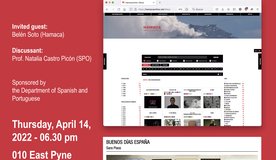
HAMACA gestiona, cataloga i preserva el seu arxiu digital. Per a això desenvolupa tasques de documentació, recerca i formació contínua per a l'equip tècnic, procurant les millors condicions de conservació i accés a les peces.
Els vídeos que formen part de l'arxiu HAMACA són seleccionats per jurats externs, heterogenis i especialitzats. Cada dos anys, HAMACA obre convocatòries per a la introducció d'obres a l'arxiu. El comitè d'avaluació de cada convocatòria selecciona les obres a introduir en el catàleg i presenta un llistat d'artistes no pertanyents al catàleg que consideren haurien de formar part d'ell.
La catalogació recopila les principals dades referents a l'autoria i a la producció i classifica les obres en relació a una taxonomia pròpia, un marc conceptual basat en paraules que nomenen i interrelacionen les peces per a facilitar la seva cerca. Les tasques d'emmagatzematge i digitalització constitueixen un element de gran importància per a assegurar la conservació de les obres en el futur, tenint en compte els cada vegada més ràpids i constants canvis tecnològics. HAMACA impulsa un debat entorn la memòria i patrimoni que proposa tant noves pràctiques i protocols per a la preservació i accés a materials com una reflexió sobre el rol dels arxius en aquest àmbit. HAMACA també treballa en la recuperació d'obres històriques de rellevància i en la recuperació d'obres en formats obsolets com l'O-MATIC, betamax o VHS.
Els treballs d'arxiu també impliquen la cura d'un arxiu físic que consta de més de 1.500 produccions provinents de diferents col·leccions cedides per particulars.