7 de juny de 2026
Un recorregut de Diogo Pinheiro
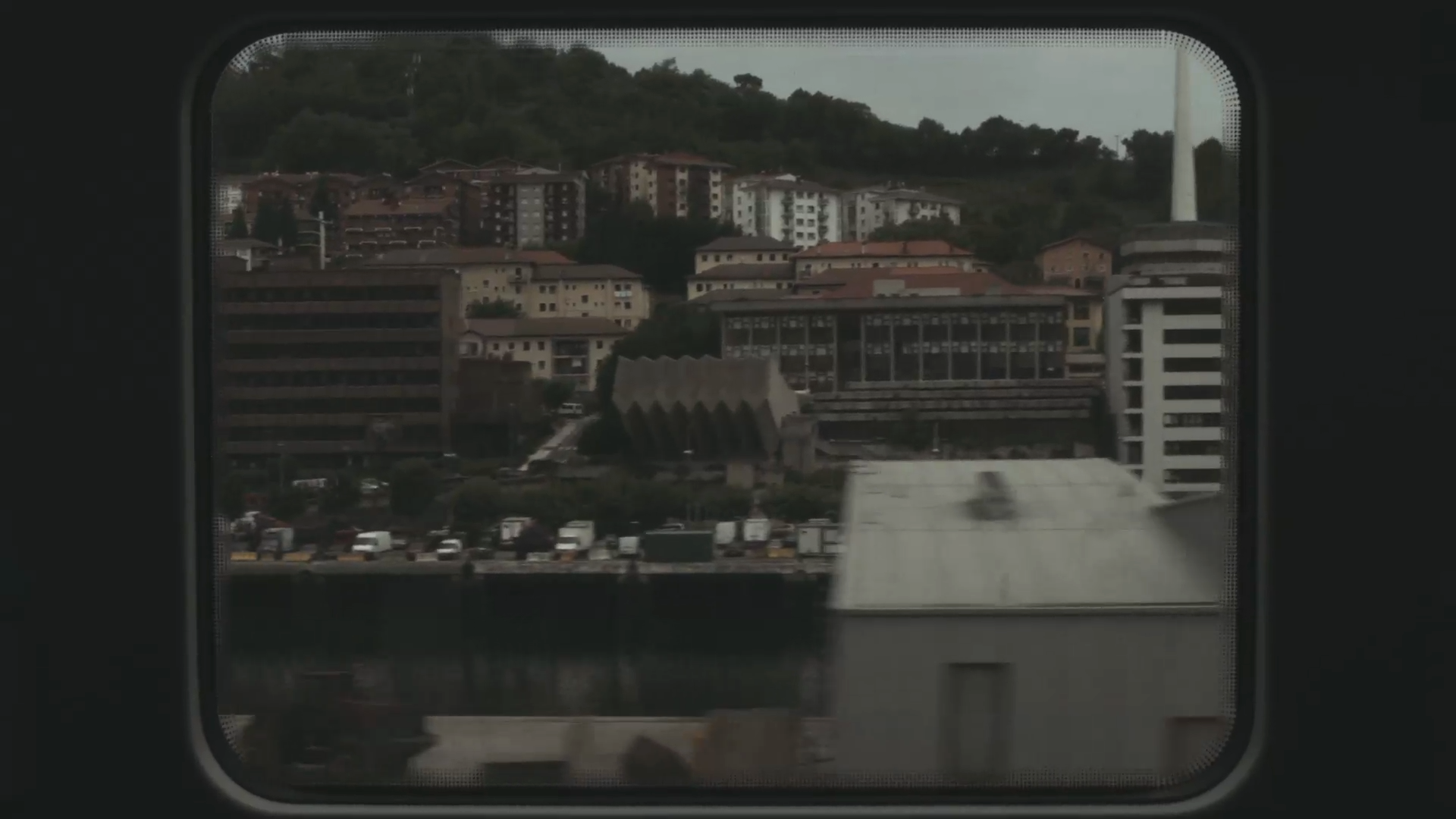
img: frame de Pasaia Bitartean (Jonander Agirre Mikelez, Ana Aitana Fernández Moreno i Irati Gorostidi Agirretxe, 2016)
Com podem viure totes ajuntis? Reflexionar sobre la nostra coexistència, en la qual els éssers humans, els no humans i els paisatges puguin garantir les seves respectives supervivències futures, és una qüestió que ens ha inquietat, no sols a mi, sinó també a especialistes, activistes i persones de tot el món. En aquesta època aterridora en la qual vivim, sovint denominada Antropocè, existeix una brutal disrupció del metabolisme entre l'ésser humà i la naturalesa que posa en perill l'equilibri del planeta natural. Davant una possible destrucció del món tal com el coneixem, aquestes qüestions són urgents perquè totis reflexionem i debatem. En aquesta reflexió no sols importen els éssers humans, sinó també els agents no humans, com els animals, els fongs, les plantes, la terra i el cel, les roques i els rius, els mons dels quals ens ensenyen tant de sobre la supervivència col·laborativa i l'adaptació. És important ser conscients que el planeta sempre sobreviurà, les seves configuracions només canviaran. Això ens ensenya que la Naturalesa és alguna cosa molt més allà de nosaltris, els humans. ‘’Ella’’ abasta absolutament tot el que sabem i el que no sabem.
En aquest text s'analitzen i s'utilitzen pel·lícules, pertanyents a l'arxiu HAMACA, que construeixen i ofereixen possibilitats alternatives als models de vida hegemònics actuals, com el capitalisme i el consumisme.
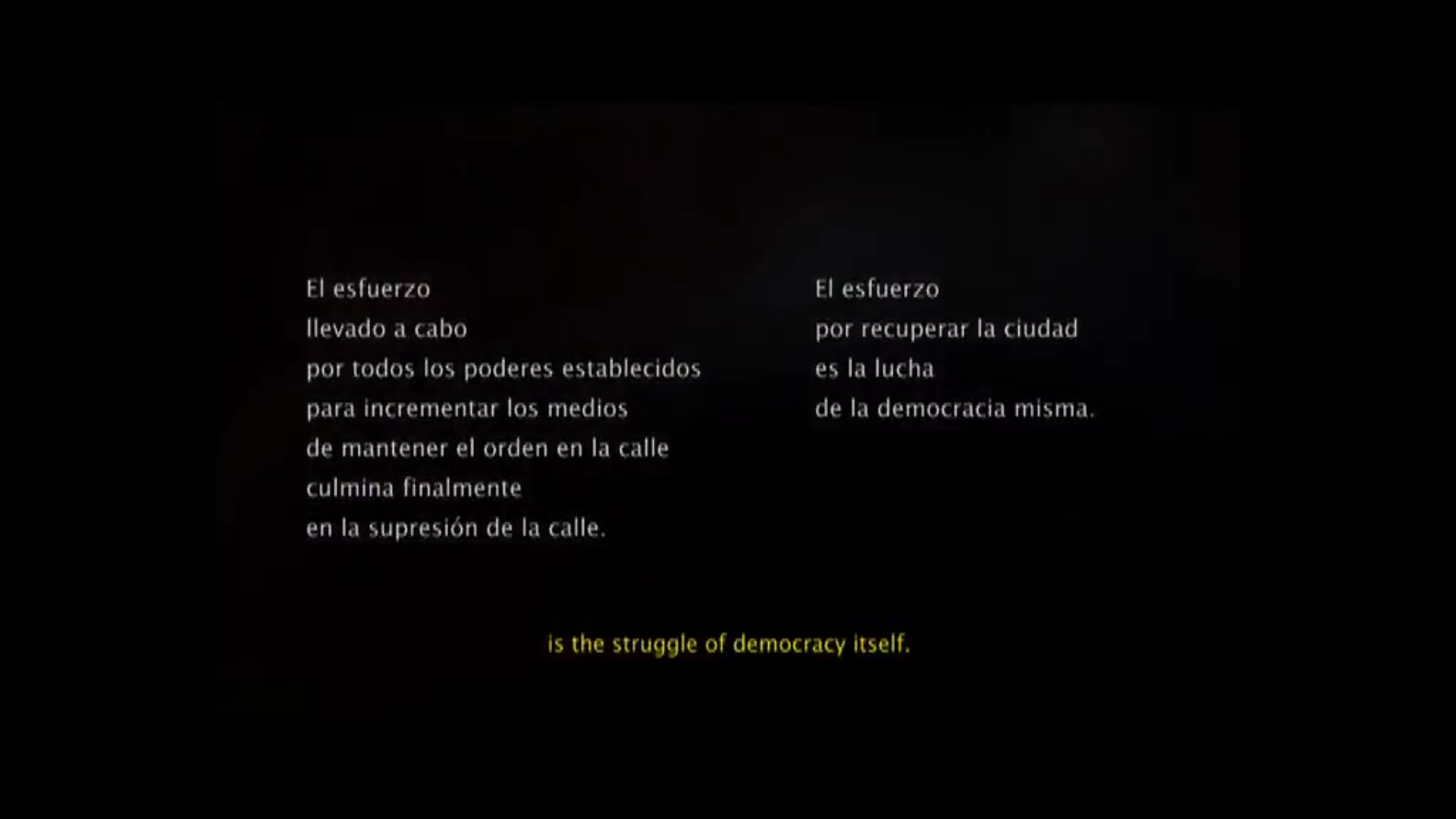
img: frame de Paisaje del retroprogreso (Jose Luis Tirado, 2010)
La contribució de nombrosis pensadoris –entre elles Descola (2014) i Viveiros de Castro (2004)– al gir ontològic, va ser notable en qüestionar la separació històrica entre cultura i naturalesa, o entre humanitat i naturalesa, i en convidar-nos a parar esment a altres perspectives del món amb les quals aprenem i ampliem la nostra comprensió de la realitat. En concret, el perspectivisme amerindi, que ha donat veu a altres agents inesperats, com a rius, roques i jaguars, i exemplifica que aquests també construeixen les seves pròpies realitats més enllà de les nostres realitats tal com les evidencia la ciència i prenent a la humanitat com a centre. En elles es mostren relacions amb el món que alguns ja havien oblidat, amb tots els agents que fan possible la nostra vida. Alguns dels portaveus són Davi Kopenawa i Ailton Krenak, tots dos líders indígenes i filòsofs extraordinaris, que denuncien els crims ecològics en el gegantesc territori de l'Amazònia, que amenacen la supervivència de més de dues-centes poblacions indígenes, al mateix temps que ens ensenyen a veure el món des d'una perspectiva no occidental i no convencional. Les poblacions indígenes han reivindicat els seus drets a la terra i a la seva protecció, afirmant-se com un gran front en la lluita pels drets mediambientals i convertint-se en símbols de resistència a l'extracció desenfrenada de recursos. És brutal pensar que es posen en perill les vides de persones que simplement viuen d'una manera diferent, en nom d'un suposat progrés que vol transformar els rius en vies navegables i desforestar l'Amazònia.
→ El sistema / The system (Marco Godoy, 2022)
El vídeo El sistema / The system crida l'atenció precisament sobre aquesta relació trencada entre l'home i la naturalesa. Aquí ens enfrontem a un paisatge sense éssers humans, en el qual una veu en off recita el text El sistema, d'Eduardo Galeano, per a un públic diferent: els arbres, el sòl i els animals, el generador i els altaveus, vestigis de la nostra presència. Les paraules que ressonen en la selva semblen advertir al món natural d'alguna cosa que està per venir. Serà el presagi d'una destrucció total del nostre món natural? En parlar de "món natural", també ens referim al món dels humans i a les nostres societats, que, sense memòria, no seran més que un miratge.
→ Bestiari (Albert Merino, 2017)
En Bestiari se'ns presenta una ciutat en la qual només queda el record de la mà de l'home, sense la presència d'un sol cos humà. Qui habita aquesta ciutat tan recognoscible és aquest "altre" al qual sempre hem menyspreat i amenaçat: el món animal. Entre cérvols, goril·les i rinoceronts, el territori sembla oferir-nos una imatge apocalíptica en la qual els humans ja no existeixen a les ciutats i el món natural ha recuperat el seu equilibri original. Ho interpreto com una lliçó d'humilitat enfront de la immensa arrogància humana de considerar-nos el centre del món, superiors a qualsevol forma de vida. Al final, veiem un "ramat" d'humans caminant de quatre grapes, senyal que no serem tan diferents dels animals quadrúpedes als quals posem en perill constantment.
Mentre ens tanquem a les ciutats i perdem de vista aquests elements, les relacions amb el món natural es trenquen i se substitueixen per altres de major influència, idees de progrés com el consumisme, l'acumulació de capital i la valorització de l'individualisme. Krenak, en el seu llibre-conferència Ideas para postergar el fin del mundo (2019), diu alguna cosa que, al meu entendre, resulta revolucionari: «La modernització ha expulsat a aquestes persones del camp i del bosc perquè visquin en barris marginals i en les perifèries, perquè es converteixin en mà d'obra en els centres urbans. Aquestes persones van ser arrencades de les seves col·lectivitats, dels seus llocs d'origen, i llançades a aquesta liquadora anomenada humanitat». Crec que és hora que nosaltris, Occident, escoltem l'altre i aprenguem.
→ Pasaia Bitartean (Jonander Aguirre, Ana Aitana Fernández e Irati Gorostidi, 2016)
Pasaia Bitartean és un documental basc que reflexiona sobre la forma en què ens relacionem amb el territori i busca metodologies per a pensar la ciutat de manera col·lectiva. Al cap i a la fi, per a què serveixen les ciutats? La pel·lícula recorre el present del municipi de Pasaia revelant el conflicte temporal d'un paisatge industrial en decadència, com tantes altres ciutats que van créixer demogràficament d'aquesta manera. Aquests territoris, pols d'ocupació que en el seu moment van fer que tantes persones abandonessin els seus llocs d'origen, semblen ara deserts. D'aquesta manera, es plantegen qüestions pertinents a través de l'arquitectura, el brillant muntatge i la veu en off que, entre poesia i narració, ens compta una relació vulnerable amb l'espai habitat.
El nom "Antropocè" és un concepte que afirma que l'acció humana ja ha superat les forces geològiques i biològiques del planeta, en el seu impacte planetari, i que «el temps geològic i de la biosfera s'ha transformat de manera fonamental per l'activitat humana», com defineix Moore (2022). Però en situar a l'ésser humà en el centre d'aquest sistema, «té conseqüències sobre la idea de la naturalesa com una cosa separada de l'esfera humana» (Natálio, 2012). Ens allunyem de nou de la naturalesa, perpetuant la mateixa dicotomia. Krenak ho explica millor: «Ens hem anat alienant d'aquest organisme del qual formem part, la Terra, i hem passat a pensar que ell és una cosa i nosaltres, una altra: la Terra i la humanitat. No percebo on hi ha alguna cosa que no sigui naturalesa. Tot és naturalesa. El cosmos és naturalesa. Tot en el que puc pensar és naturalesa» (2019). En lloc de l'Antropocè, Moore sosté que és important pensar en el capitalisme com l'eix central de l'època en la qual vivim, «l'època del capital, l'era històrica marcada per l'acumulació infinita de capital» (2017) i que és necessari considerar el capitalisme com una «ecologia mundial situada i multiespècie de capital, poder i reproducció» (Moore, 2016a i Haraway, 2016 en Moore, 2017). En aquesta línia, insisteixo a reflexionar sobre el paper de l'antropologia i l'art com a mediadors i agents capaços de crear possibilitats de vida futura davant un futur descoratjador, i sobre com els moviments indígenes, les pràctiques artístiques i les etnografies multiespècie han liderat el debat sobre el que significa viure amb la terra, tenint en compte altres experiències en el planeta. «Els humans no són els únics éssers interessants i que tenen una perspectiva sobre l'existència. Molts altres també la tenen» (Krenak, 2019).
Partint de la qüestió de la crisi ecològica en la qual vivim, en els seus diferents contextos viscuts, és important observar com els humans i els no humans s'adapten, lluiten i reivindiquen la seva supervivència. És important fixar-nos en accions, agents i contextos que ens ensenyin sobre possibilitats i solucions per a invertir la lògica de la fi del món, perquè «tots som necessaris per a problematitzar l'Antropocè» (Borea i Yahuarcani, 2020) en«tots els seus fragments i taques» (Tsing, 2021). I preguntar-nos: com podem sortir de l'Antropocè? Com podem crear una supervivència col·laborativa multiespècie (Tsing, 2015)? És necessari afirmar que el nostre planeta ha de garantir que es respectin i protegeixin totes les formes de vida. Hem de celebrar aquesta pluralitat i aquestes noves maneres de veure el món amb la finalitat de compartir tot el que puguem per a garantir que tots tinguem un futur.
→ Paisaje del Retroprogreso (José Luis Tirado, 2010)
Un assaig audiovisual que qüestiona l'ordre mundial de les coses: la democràcia, el capitalisme i el medi ambient. José Luis Tirado crea un univers oníric, ric en sons, en el qual l'ús de la paraula irromp al llarg del muntatge com un discurs provocador que infon valor i compromís, posant en relleu la maledicció del neoliberalisme en el nostre planeta. La composició sonora electroacústica de Fran MM Cabeza de Vaca crea l'atmosfera dramàtica que narra la història d'aquesta humanitat abocada a la destrucció, que anteposa l'acumulació de capital a qualsevol forma de vida, inclosa la humana. A meitat de l'obra, una frase crida l'atenció i ens recorda la importància de tenir discerniment: «tornar a trobar el sentit dels límits» (22 '41). Necessitem comprendre els límits de la nostra acció i revertir la destrucció del món, impulsada per aquest sistema econòmic global que insisteix a veure la naturalesa com un obstacle per a l'explotació desenfrenada dels recursos, i que considera a la mà d'obra únicament com un recurs susceptible de ser alienat.
La tensió entre l'objecte artístic, en aquest cas les pel·lícules, i l'objecte etnogràfic és interessant, ja que tots dos poden veure's més enllà dels sistemes de representació, com a "sistemes d'acció" (Gell, 1998) que actuen i/o intervenen sobre una realitat específica. El que es produeix, tant en una etnografia com en una obra artística, es considera un agent. Els exemples són diversos per a il·lustrar pràctiques artístiques que reivindiquen drets, exposen crims, plantegen qüestions i qüestionen l'ordre de les coses. Algunes són més explícites, unes altres no tant, però totes actuen com a dispositius que creguin una situació en la qual s'estableix una relació (Sansi, 2015) i alguna cosa canvia, s'altera. L'art és una manera d'actuar sobre el món. D'aquesta manera, hi ha diversos artistes involucrats en el debat entre l'Antropocè, la fi del món i el sistema capitalista.
L'art permet noves visions del futur, igual que l'antropologia. Per a García Canclini, la «societat contemporània no té un projecte, una visió de futur en termes polítics i religiosos, (...) en aquesta situació, l'art es presenta com una possibilitat» (Canclini citat per Sansi, 2017). La imatge i el so tenen un poder especial, si pensem en l'alteritat, en capturar moments únics de la destrucció del nostre planeta, com la fosa de les glaceres i altres desastres mediambientals. No totes les obres audiovisuals tenen un paper merament periodístic, de "mostrar" el que està passant. Algunes qüestionen realment la forma en què es representa la crisi climàtica en els mitjans de comunicació i en la cultura popular digital. I proposen que, en lloc de generar por i pànic paralitzant davant l'emergència climàtica, és necessari crear projectes que orientin cap a solucions, com a maneres d'estimular la nostra imaginació per a obtenir resultats més constructius. El cinema és, en particular, una arma poderosa per a influir en el món. La seva configuració de sala fosca i sistema d'àudio amplificat crea un espai en el qual només podem enfrontar-nos a la pel·lícula.
La col·laboració entre disciplines és fonamental per a subvertir les lògiques i estructures de poder que caracteritzen el pensament hegemònic. Davant la possibilitat d'una supervivència col·laborativa en l'Antropocè, tal com l'anuncia Tsing (2015), crec que la interdisciplinarietat és rellevant per a provocar una major reflexivitat sobre el món en el qual vivim i cap a on ens dirigim. Amb l'esperança que això es faci a partir d'etnografies, narratives i obres que actuïn sobre el món de manera positiva.
→ Manifestació de Bicicletes (Video-Nou, 1977)
«Fem la ciutat habitable» va ser el lema amb el qual es va celebrar en 1977, a Barcelona, la primera manifestació a favor de l'ecologia, el medi ambient i la ciutat sostenible. Acabem aquest assaig amb un petit documental rodat pel llegendari col·lectiu barceloní Vídeo-Nou, per a recordar la força de l'organització i el poder col·lectiu en la lluita per un món millor decidit per les masses populars i la classe treballadora. En aquest vídeo, veiem a milers de persones sortir als carrers amb bicicleta per a protestar per una ciutat digna per als qui l'habiten, a favor dels carrils bici i en contra de les carreteres exclusives per a cotxes. Aquest documental, igual que uns altres del col·lectiu Vídeo-Nou, constitueix un important arxiu de referència sobre el cinema i el vídeo, i el seu potencial d'intervenció en la vida social, com a eines capaces d'introduir canvis. Pràctiques que no podem oblidar si volem lluitar per un món més digne per a totes les formes de vida.
Fonts
AUTOR
Diogo Pinheiro (Portugal, 2001) és artista audiovisual i antropòleg. Resident a Madrid. Combina el so i la imatge amb pràctiques etnogràfiques per a reflexionar i explorar la cultura visual, la construcció de projectes de futur, el paper de la ciutat i l'ecologia.
